Septic Tank Cleaning: Professional Waste Management Solutions
The Significance of Regular Septic Tank Cleaning: Protect Your Home
Regular sewage tank cleaning is essential for homeowners. It helps prevent clogs and backups, which can lead to costly repairs. Additionally, prompt maintenance extends the life of the septic system and protects the environment. Many homeowners overlook the signs that indicate a need for cleaning. Understanding these signals can make a big difference in both health and finances. What are the obvious signs that your septic system may need immediate attention?
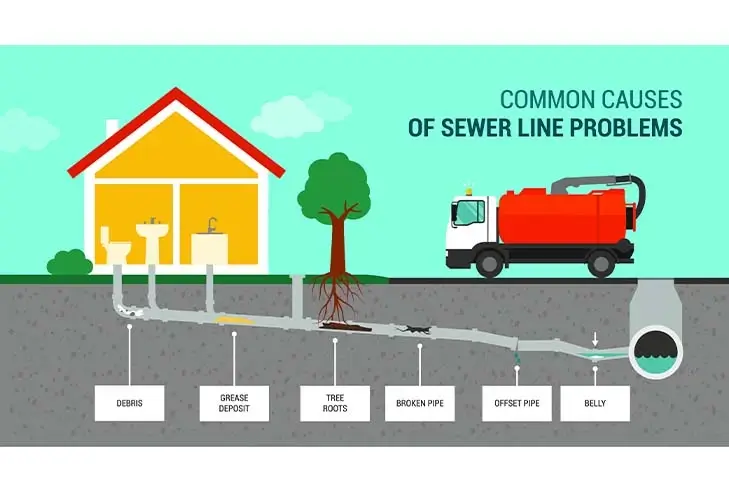
Why Routine Septic System Maintenance Is Essential for Property Owners
Consistently upkeeping a septic tank is vital for homeowners to confirm the system operates properly. This preventative strategy helps avoid clogs, backups, and costly maintenance. A properly maintained septic system can prolong its lifespan, ensuring that it functions effectively for years. Routine cleaning eliminates the buildup of solids, preventing them from overflowing into the drain field, which can lead to environmental contamination and health hazards.
Additionally, habitual maintenance permits early detection of potential issues, enabling homeowners to address them before they escalate. This not only secures the home but also protects the surrounding ecosystem. By maintaining regular septic tank cleaning, homeowners can avoid unpleasant odors and unsightly messes while promoting a healthier living environment. Ultimately, steady care of a septic system is a responsible practice that benefits both the homeowner and the community.
Signs Your Septic Tank Requires Immediate Care?
Homeowners should be watchful for indicators that their septic tank needs immediate attention. Foul smells emanating from the yard and slow drains throughout the home can indicate underlying issues with the system. Addressing these concerns promptly can prevent more serious problems and costly fixes.
Unpleasant Scents Radiating Outdoors
A pungent, disagreeable odor around the yard can indicate that a septic tank requires immediate attention. This foul smell often suggests that the tank is backing up or leaking, allowing waste materials to escape into the surrounding soil. Such conditions not only compromise the soundness of the septic system but also pose health risks to residents and pets. Additionally, these odors can draw pests and produce an unpleasant environment for outdoor activities. It is crucial for homeowners to tackle these issues promptly, as ignoring them can result in more significant problems, including costly repairs or environmental contamination. Regular septic tank upkeep can help avoid these odors and guarantee the system operates effectively. Immediate action is critical when such signs are detected.
Slow Drain Drainage Throughout Your Home
Foul smells around the property can be a clear sign of septic system problems, but slow drainage throughout the home are another major warning sign that demands immediate attention. When sinks, toilets, and bathtubs drain sluggishly, it indicates that the septic tank may be nearing its limit or experiencing a blockage. These slowdowns can result in backups, causing potential damage and health risks. Homeowners should not ignore these signs, as they often indicate that the tank requires pumping or maintenance. Quick intervention can avoid more severe problems, ensuring the system operates efficiently. Recognizing these signs early allows for preventive steps, safeguarding both the home and the environment from the consequences of a failing septic system. Routine checkups and maintenance are necessary.
How Preventive Septic Upkeep Saves You Money
Proactive septic servicing can substantially decrease costs connected with repairs and system replacements. By routinely servicing the septic system, homeowners can increase its lifespan and circumvent emergency situations that often cause high-cost fixes. Ultimately, proactive care provides long-term savings and peace of mind.
Steer Clear From Expensive Maintenance Work
Regular septic maintenance can significantly decrease the chance of expensive damage. Ignoring a septic system can result in major problems, such as clogs, leaks, or even complete system failure. By arranging regular inspections and cleaning services, homeowners can identify potential problems early, stopping them from escalating into costly fixes. For instance, a simple tank pumping can avoid backups that might damage plumbing and drain fields. Additionally, preserving proper bacteria levels helps ensure the system functions effectively, reducing wear and tear on components. Ultimately, proactive care not only safeguards the home from unforeseen costs but also creates peace of mind, knowing the septic system is functioning smoothly. Putting money in regular maintenance is a wise financial decision for homeowners worried over long-term costs.
Lengthen System Working Period
Maintaining a septic system through routine care greatly extends its lifespan. Frequent inspection and cleaning prevent the buildup of solids and sludge, which can provoke system failure. By addressing minor issues before they escalate, homeowners can elude costly reconstructive work. This preventative framework not only elevates the utility of the system but also minimizes the risk of premature deterioration. Additionally, a well-maintained septic tank performs more efficiently, reducing the need for increased energy consumption. Consistent maintenance allows homeowners to maximize their outlay, ensuring that the system remains in prime condition for years. Ultimately, championing preventative care translates to substantial long-term savings, safeguarding the home's value and providing peace of mind.
Reduce Emergency Situations
Regular tank upkeep can significantly decrease the risk of costly emergencies. By frequently examining and maintaining the drainage system, homeowners can identify potential issues before they escalate into major problems. Skipping upkeep can result in blockages, overflows, and potential system breakdowns, which typically demand expensive repairs or replacements. Additionally, urgent circumstances can disrupt daily life and create considerable anxiety. Proactive maintenance not only safeguards the home but also reduces the likelihood of unforeseen expenses associated with emergency services. Investing in routine septic maintenance is a proactive approach that guarantees the equipment functions properly, eventually helping property owners money and protecting their property from avoidable disasters. Consistent maintenance is vital for sustained tranquility and economic security.
Best Steps for Caring for Your Septic Tank
Although septic tank cleaning may appear intimidating, using the correct techniques can streamline the process considerably. First, individuals should find the tank access points, typically found near the house or yard. Next, it is advisable to use a high-quality pump to remove buildup of sludge and scum, guaranteeing that the tank is drained thoroughly.
Once drained, examining the tank for damage or cracks is essential. Cleaning the baffles and inlet/outlet pipes with a hose can help ensure optimal flow.
Upon finishing the cleaning, it is essential to refill the tank with clean water to the appropriate level. This helps restore the necessary environment for advantageous microorganisms to prosper.
In conclusion, keeping a comprehensive record that describes the cleaning schedule and any repairs made supports examining the tank's condition over time. By adopting these approaches, homeowners can properly oversee their septic systems and avert future complications.
How Septic Servicing Affects the Natural Surroundings
Septic care plays a vital role in preserving the environment. Consistent cleaning and appropriate maintenance of septic systems stop system failures that can result in dangerous discharge and groundwater contamination. When septic tanks work correctly, they properly break read this article down waste, decreasing the release of pollutants into surrounding soil and waterways.
Ignoring septic system upkeep can create nutrient overloads, leading to algal blooms that lower oxygen in water bodies, harming aquatic life. Additionally, poorly serviced systems can release pathogens that create health risks to humans and wildlife alike. By ensuring septic tanks are examined and serviced regularly, homeowners help create a healthier ecosystem.
Proper servicing not only safeguards individual properties but also preserves larger environmental resources. Ultimately, preventive septic maintenance promotes long-term water health and supports a thriving ecosystem, emphasizing the relationship of human activities and ecological well-being.
How to Choose the Appropriate Specialist for Your Septic Requirements
How can homeowners guarantee they select the right professional for their septic needs? To start, they ought to seek recommendations from reliable friends or family, as word-of-mouth referrals can provide useful information. Next, researching companies in your area on the internet enables homeowners to read reviews and verify credentials. It is essential to verify that the selected professional is licensed and insured, as this ensures adherence to local regulations and protects from possible legal issues.
Homeowners should also request details on the services provided, such as pumping, inspection, and emergency repairs, to verify the professional satisfies their particular requirements. Requesting quotes from various contractors can help in comparing prices and services. Finally, selecting a contractor who exhibits clear communication and professionalism can foster a positive working relationship. By adhering to these steps, homeowners can confidently locate a qualified septic service provider to service their system effectively.
Frequently Asked Questions
How Regularly Should I Arrange Septic Tank Inspections?
Septic tank inspections should be scheduled every three to five years, based on usage and household size. Routine examinations help prevent costly repairs and guarantee the system functions effectively, maintaining overall safety and health of the property.
What Products Should Not Ever Be Flushed Down the Toilet?
Products that ought not be flushed down the toilet are wipes, feminine hygiene products, dental floss, paper towels, and food scraps. These materials can clog your pipes, damage your septic system, and cause costly maintenance.
Is It Possible to Clean My Septic Tank on My Own Terms?
Cleaning a septic tank oneself is not recommended due to health hazards and the need for professional tools. Professionals have the expertise to guarantee proper maintenance, preventing potential damage and costly repairs for the property owner.
What Are the Expenses Required for Septic Tank Cleaning?
The costs for septic tank cleaning typically span from $200 to $500, determined by tank size and local service rates. Additional fees may occur for repairs or pumping frequency, influencing overall expenses.
How Several Years Will a Septic Tank Normally Endure?
A septic tank normally lasts between 20 to 30 years, determined by factors such as preservation, usage, and environmental conditions. Systematic inspections and sound care can increase its lifespan noticeably, maintaining efficient operation.